
In the world of metallurgy and material science, the term ferrous is frequently used to distinguish iron-containing metals from non-ferrous ones. This distinction is crucial because it determines not only the mechanical properties of a material but also its applications in engineering, construction, and manufacturing. Stainless steel, one of the most widely used materials in modern industry, often raises the question: Is stainless steel considered a ferrous metal? To answer this properly, we must examine its composition, classification, and inherent properties.
What Does "Ferrous" Mean?
The word ferrous is derived from the Latin word ferrum, meaning iron. Simply put, ferrous metals are metals that contain iron as their main component. They generally exhibit magnetic properties and are prone to rust when exposed to moisture and oxygen. Common examples include cast iron, carbon steel, and wrought iron.
By contrast, non-ferrous metals—such as aluminum, copper, and titanium—do not contain significant amounts of iron. These metals are usually more resistant to corrosion, lighter in weight, and non-magnetic.
The Composition of Stainless Steel
Stainless steel is primarily an alloy of iron, carbon, and chromium. To qualify as stainless steel, the alloy must contain at least 10.5% chromium by mass. The addition of chromium creates a thin, invisible oxide layer on the surface, which prevents further corrosion and gives stainless steel its “stainless” quality.
Other alloying elements, such as nickel, molybdenum, and manganese, may be added to improve strength, toughness, or corrosion resistance depending on the grade. Despite these variations, iron remains the fundamental base metal of stainless steel.
Classification of Stainless Steel
Stainless steels are divided into several categories, each with distinct properties:
Austenitic Stainless Steel
Contains high levels of chromium and nickel.
Non-magnetic in most cases.
Excellent corrosion resistance.
Commonly used in kitchen equipment, medical instruments, and architecture.
Ferritic Stainless Steel
Contains chromium but little or no nickel.
Magnetic and less expensive than austenitic grades.
Moderate corrosion resistance.
Martensitic Stainless Steel
Higher carbon content.
Can be hardened by heat treatment.
Magnetic and strong but less corrosion-resistant.
Duplex Stainless Steel
A mix of austenitic and ferritic structures.
Balances strength and corrosion resistance.
Precipitation-Hardening Stainless Steel
Enhanced strength through special heat treatments.
Used in aerospace and high-performance applications.
Despite these differences, all categories rely on iron as the primary element.
Is Stainless Steel Ferrous or Non-Ferrous?
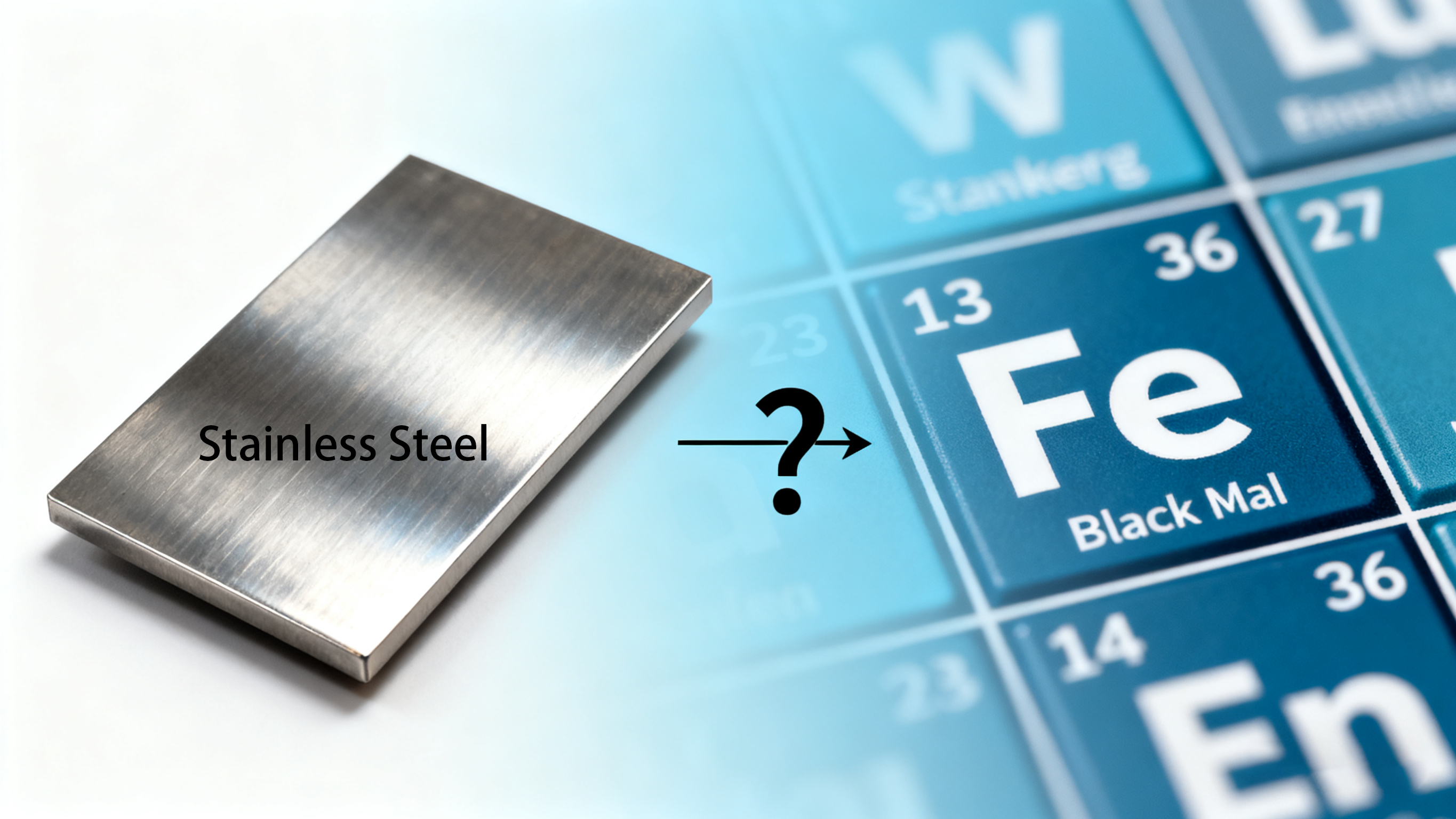
Given its composition, stainless steel is indeed a ferrous metal. Iron makes up the bulk of its structure, which places it firmly within the ferrous category. However, its behavior sometimes blurs the line. For instance:
Magnetism: Not all stainless steels are magnetic. Austenitic stainless steels are generally non-magnetic, leading some to mistakenly classify them as non-ferrous.
Corrosion Resistance: Unlike typical ferrous metals such as carbon steel, stainless steel resists rusting, which makes it seem more like a non-ferrous material in practice.
In short, stainless steel is technically ferrous but with unique properties that set it apart from other iron-based alloys.
Why the Distinction Matters
Understanding whether stainless steel is ferrous is more than a matter of terminology—it affects how the material is used and recycled.
Engineering and Design: Knowing its ferrous base helps engineers anticipate mechanical behavior such as strength, durability, and thermal expansion.
Corrosion Protection: Although ferrous metals typically rust, stainless steel’s chromium oxide layer means it can be safely used in harsh environments.
Magnetic Applications: Certain industries require non-magnetic materials; in these cases, only specific grades of stainless steel are suitable.
Recycling and Sorting: Scrap yards and recycling plants separate metals into ferrous and non-ferrous categories for processing. Stainless steel, being ferrous, is usually grouped with other iron-based materials, though its high chromium and nickel content add significant value.
Conclusion
So, is stainless steel a ferrous metal? The answer is yes—because its foundation is iron. However, its unique alloying elements, particularly chromium, give it exceptional corrosion resistance, strength, and versatility. This combination allows stainless steel to behave differently from ordinary ferrous metals, making it one of the most valuable and adaptable materials in modern industry.
