Yes, stainless steel can be engraved. The choice of method—laser, mechanical, chemical, or hand engraving—depends on the intended application, desired durability, and budget. Engraving ensures permanent, high-quality markings that withstand environmental and mechanical wear, making it a preferred solution for both industrial and decorative purposes.
Table of contents
- Engraving Methods
- Applications
- Considerations
- Advantages of Stainless Steel Engraving
- Alternatives
- Frequently Asked Questions
- Conclusion
Stainless steel engraving refers to the process of etching, cutting, or marking designs, text, or patterns onto stainless steel surfaces. As a durable, corrosion-resistant alloy, stainless steel is widely used in industries such as manufacturing, jewelry, medical devices, and consumer goods. The question of whether stainless steel can be engraved is common among buyers and professionals who seek customization, identification, or decorative purposes.
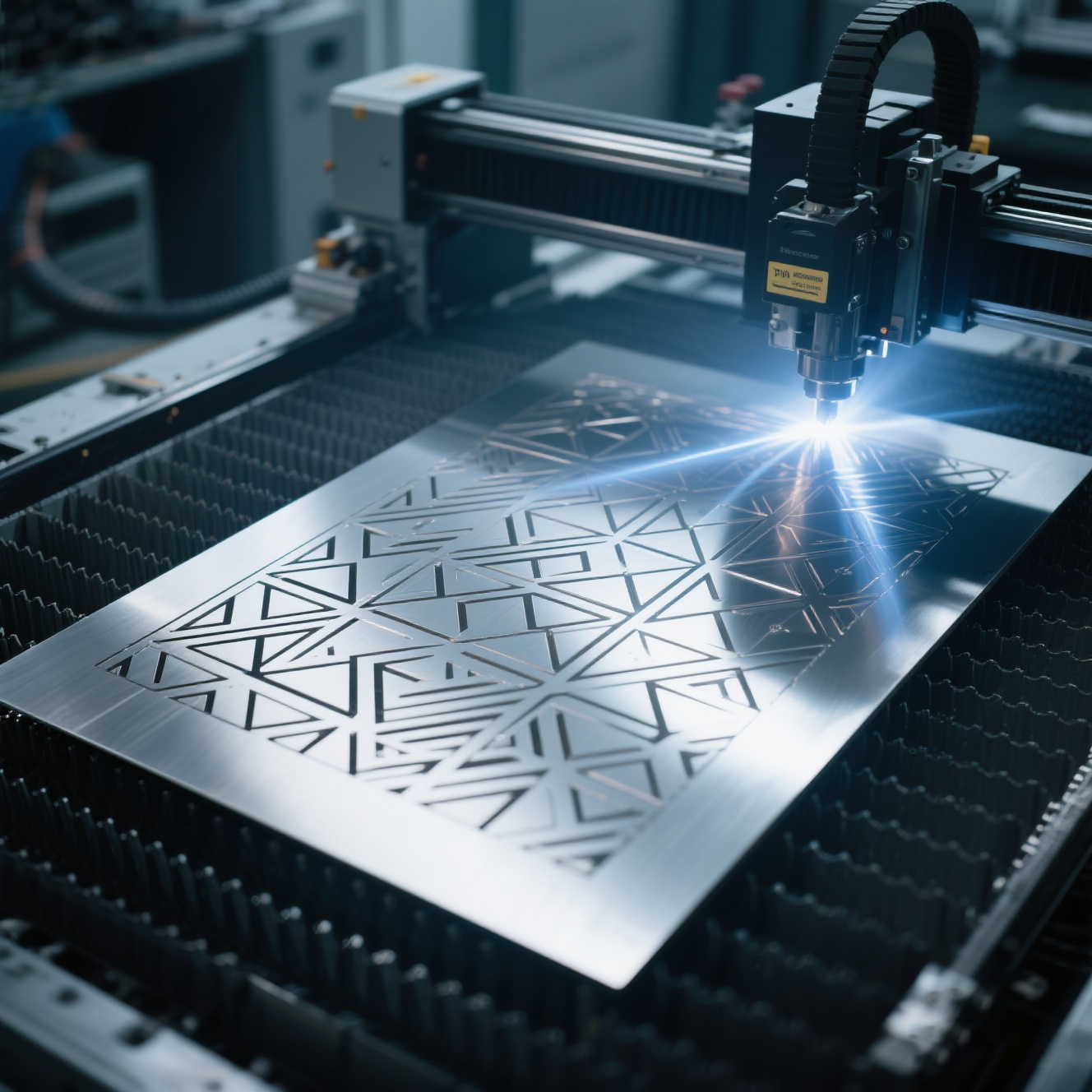
Engraving MethodsSeveral techniques are used to engrave stainless steel, each with distinct advantages:
- Laser Engraving
- Uses a high-powered laser beam to mark the surface.
- Produces precise, permanent results.
- Common in industrial labeling, barcodes, serial numbers, and personalized gifts.
- Mechanical Engraving (Rotary or CNC)
- A cutting tool physically removes material from the surface.
- Offers deep and durable engraving.
- Preferred for signage, nameplates, and applications requiring tactile depth.
- Chemical Etching
- Involves applying acid or chemical solutions to dissolve specific areas.
- Suitable for fine details and mass production.
- Often used in electronics, stencils, and decorative designs.
- Hand Engraving
- Performed manually with specialized tools.
- Traditional method, often used in jewelry and artisanal crafts.
- Requires high skill and is time-consuming.
Engraving stainless steel serves both functional and aesthetic purposes:
- Identification and Traceability:Serial numbers, QR codes, and industrial labels.
- Branding and Customization:Logos, product information, and personalized gifts.
- Medical and Scientific Equipment:Markings resistant to sterilization and wear.
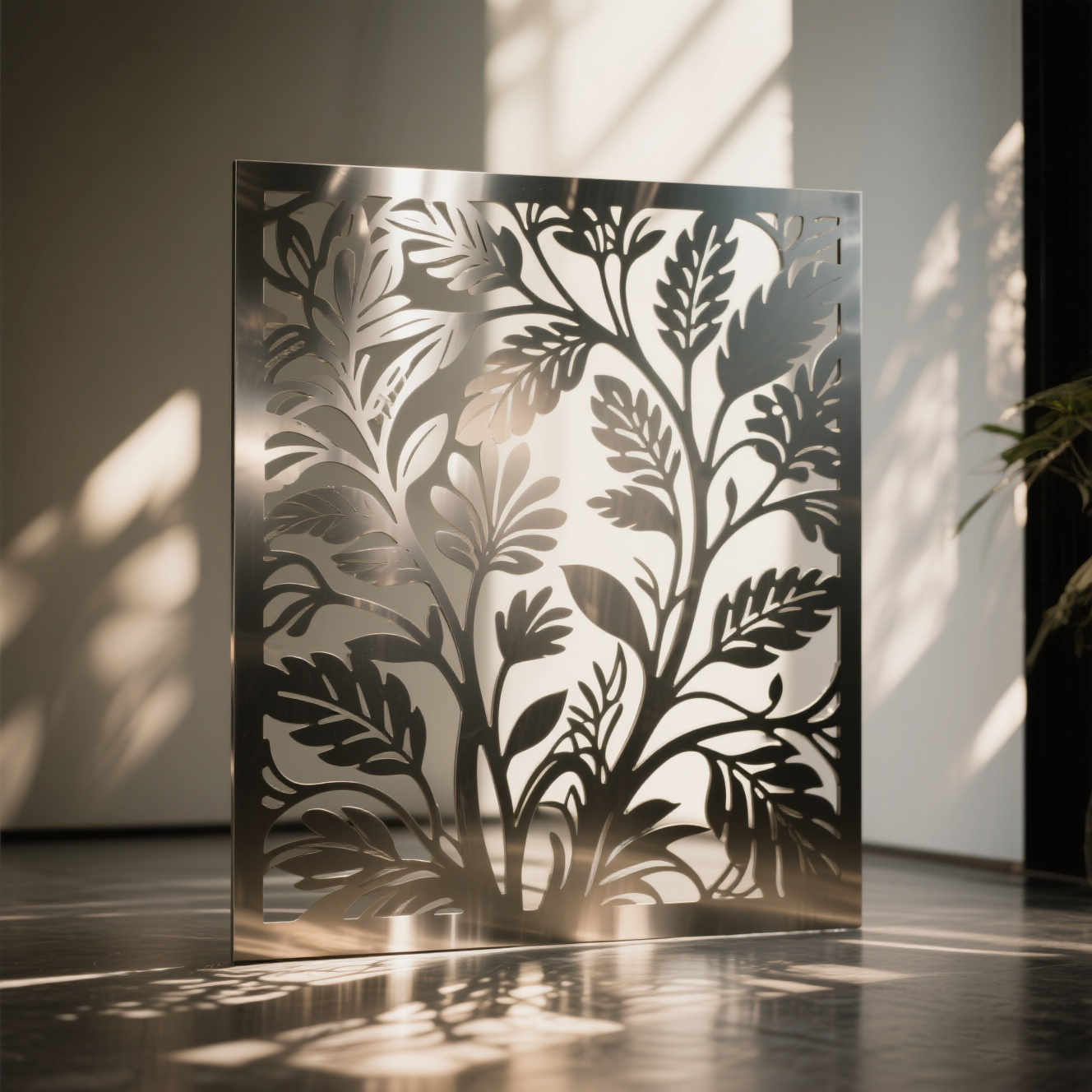
- Decorative Uses:Jewelry, trophies, plaques, and architectural details.
When engraving stainless steel, several factors should be evaluated:
- Grade of Stainless Steel: Higher grades (such as 316) are harder and may require more powerful tools compared to 304.
- Depth of Engraving:Shallow markings are faster to produce, while deep cuts enhance durability.
- Surface Finish:Polished, brushed, or coated finishes may affect engraving clarity.
- Cost and Speed:Laser engraving is fast and scalable, while hand engraving is more expensive and time-intensive.
Advantages of Stainless Steel Engraving
- Long-lasting and resistant to corrosion.
- Maintains legibility under harsh conditions.
- Versatile across multiple industries.
- Can be highly detailed or deeply etched depending on the method.
In some cases, engraving may not be necessary or ideal. Alternatives include:
- Printing (UV or Screen Printing) – suitable for colorful designs but less durable.
- Stickers or Labels– inexpensive, but can peel or fade.
- Embossing or Stamping – provides depth but is usually limited to mass production.
Frequently Asked Questions
Is laser engraving on stainless steel permanent?
Yes. Laser engraving creates a permanent mark that does not fade or peel, even under harsh conditions. It is commonly used in industries where traceability and durability are critical.
Can stainless steel jewelry be engraved?
Yes. Rings, bracelets, pendants, and watches made of stainless steel can be engraved. Laser and hand engraving are popular choices for jewelry personalization.
Does engraving damage stainless steel?
Engraving does not weaken stainless steel. It only removes or alters the surface layer. The structural integrity and corrosion resistance remain intact.
How deep can stainless steel be engraved?
The depth depends on the method. Laser engraving is usually shallow but precise, while mechanical engraving can cut deeper for a tactile effect.
Is engraving stainless steel expensive?
Costs vary. Laser engraving is relatively affordable for small and large quantities. Hand engraving tends to be more costly due to labor and craftsmanship.
What grade of stainless steel is best for engraving?
Grades 304 and 316 are most commonly engraved. Grade 316 is more corrosion-resistant and slightly harder to engrave but offers superior durability.
Yes, stainless steel can be engraved. The choice of method—laser, mechanical, chemical, or hand engraving—depends on the intended application, desired durability, and budget. Engraving ensures permanent, high-quality markings that withstand environmental and mechanical wear, making it a preferred solution for both industrial and decorative purposes.

