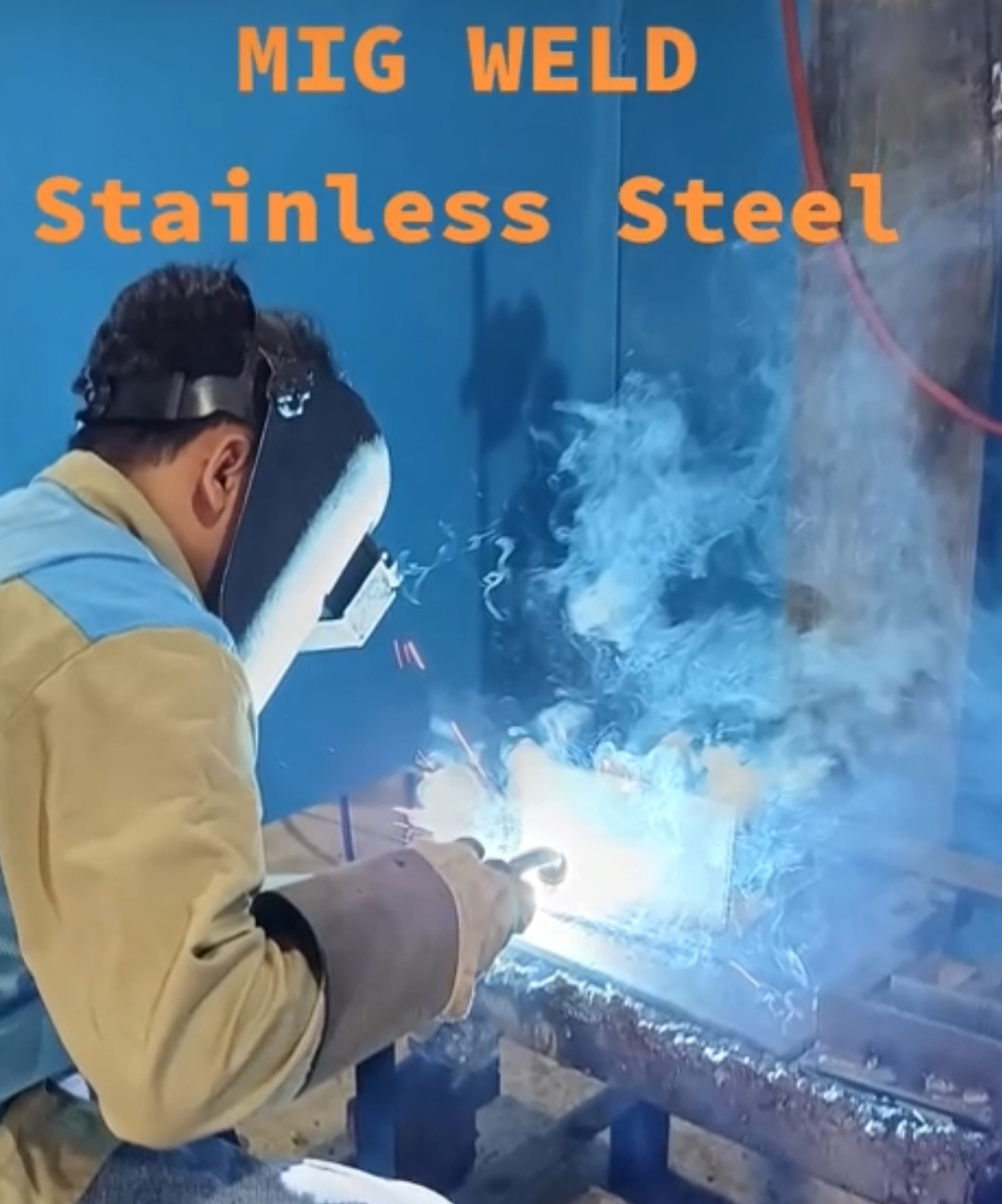
Yes — you can MIG weld stainless steel. But to do it well, you need the right equipment, settings, and technique. MIG welding (Metal Inert Gas welding), also called GMAW (Gas Metal Arc Welding), is a popular choice because it’s relatively easy to learn, produces clean welds, and works for a variety of stainless grades.
Table of Contents
- Why MIG Welding Works for Stainless Steel
- What You’ll Need
- Step-by-Step MIG Welding Process
- Common Mistakes to Avoid
- Final Thoughts
Yes — you can MIG weld stainless steel. But to do it well, you need the right equipment, settings, and technique. MIG welding (Metal Inert Gas welding), also called GMAW (Gas Metal Arc Welding), is a popular choice because it’s relatively easy to learn, produces clean welds, and works for a variety of stainless grades.
- Why MIG Welding Works for Stainless Steel
Stainless steel has excellent corrosion resistance and strength, but it can be tricky to weld. MIG welding works because:
- It allows good control over heat input, preventing excessive warping.
- It can produce clean, spatter-free welds with the right shielding gas.
- It’s faster and easier than TIG for long seams or production work.
- What You’ll Need
|
Item
|
Purpose
|
|
MIG welder (with adjustable voltage/amperage)
|
The main welding machine
|
|
Stainless steel MIG wire (ER308, ER308L, ER309, or ER316)
|
Matches the base material
|
|
Shielding gas (commonly 98% Argon + 2% CO₂, or Tri-mix)
|
Prevents oxidation and contamination
|
|
Stainless steel brush
|
Cleans the weld area without cross-contamination
|
|
Protective gear
|
Welding helmet, gloves, jacket, respirator
|
- Step-by-Step MIG Welding Process
Step 1 – Preparation
- Clean the stainless steel with a dedicated stainless brush or acetone.
- Remove oil, dirt, paint, or rust to prevent weld defects.
Step 2 – Set the Machine
- Select the correct stainless steel wire diameter (usually 0.8–1.0 mm / 0.030–0.035").
- Adjust voltage and wire feed speed according to your material thickness.
Step 3 – Choose the Shielding Gas
- For most work: 98% Argon / 2% CO₂
- For very thin stainless: Tri-mix (90% Helium, 7.5% Argon, 2.5% CO₂) for cooler welds.
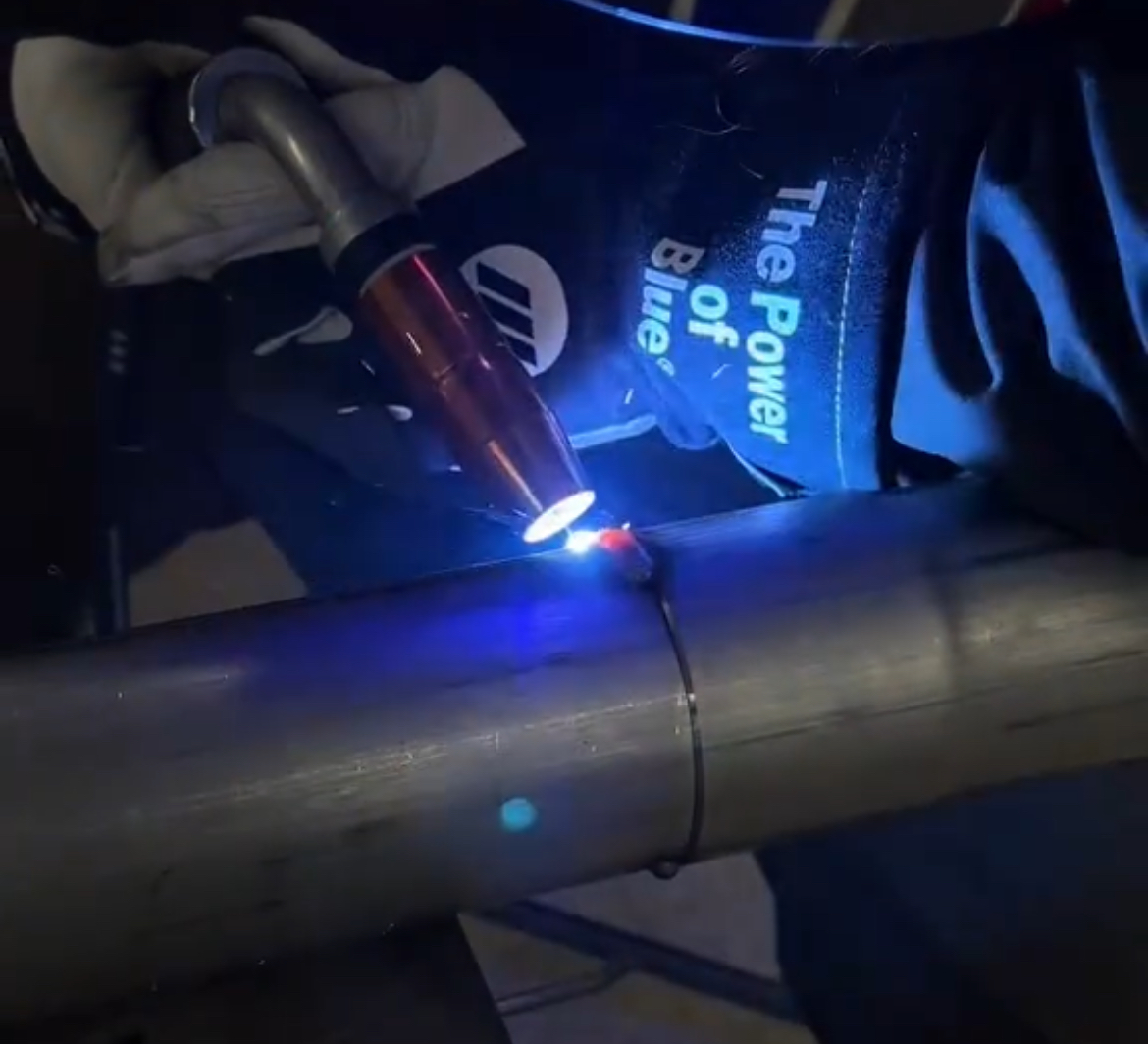
Step 4 – Welding Technique
- Use a push angle (torch tilted 5–15° forward).
- Keep a short stick-out (about 10–15 mm) for better shielding.
- Move steadily to avoid overheating and discoloration.
Step 5 – Post-Weld Cleaning
- Use a stainless steel brush to remove discoloration.
- For food-grade applications, consider passivation to restore corrosion resistance.
- Common Mistakes to Avoid
- Wrong gas mix → leads to excessive spatter or porosity.
- Using carbon steel brushes/tools → causes contamination and rust spots.
- Too much heat → warps the metal and ruins corrosion resistance.
- Not matching filler wire to base metal → weak or corroded welds.
- Final Thoughts
MIG welding stainless steel is beginner-friendly and efficient, especially for projects like handrails, kitchen equipment, exhaust systems, and structural work. By using the correct filler, shielding gas, and technique, you can achieve strong, neat welds that last.
If you’re working on critical applications or high-spec finishes, you may still prefer TIG welding for its precision — but for speed and ease, MIG is a solid choice.

