Polishing stainless steel not only enhances its sleek, reflective appearance but also improves durability, reduces corrosion, and makes cleaning easier. Whether you're dealing with appliances, cutlery, or architectural surfaces, the right method depends on the desired finish — from matte to mirror. This guide provides clear, practical steps to help you achieve professional results.
Table of Contents
- Benefits & Finishes
- Materials & Tools
- Step-by-Step Procedures
- Tips & Cautions
- Summary
Polishing stainless steel not only enhances its sleek, reflective appearance but also improves durability, reduces corrosion, and makes cleaning easier. Whether you're dealing with appliances, cutlery, or architectural surfaces, the right method depends on the desired finish — from matte to mirror. This guide provides clear, practical steps to help you achieve professional results.
- Benefits & Finishes
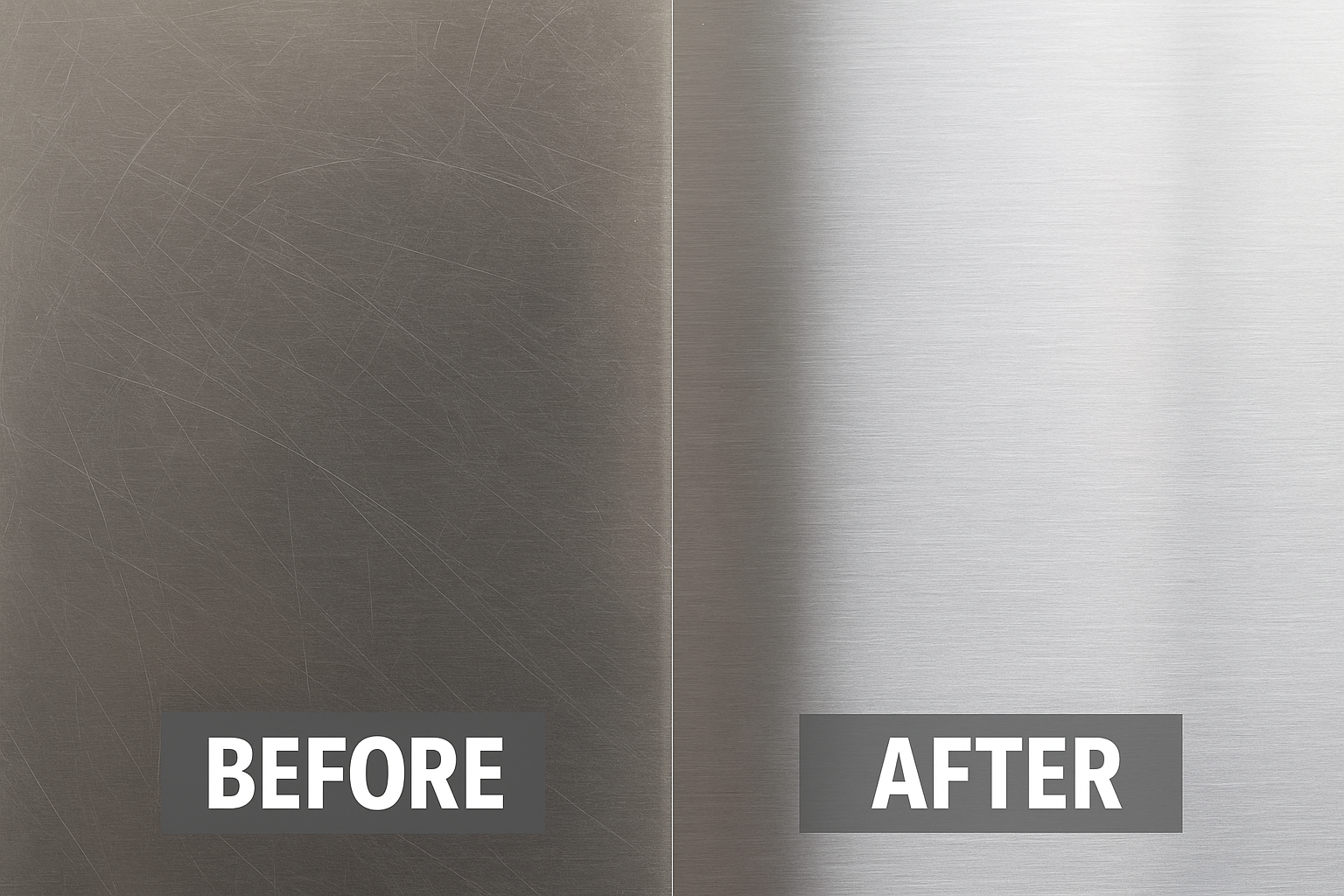
- Aesthetic appeal: Polishing restores shine and can deliver a mirror-like surface.
- Corrosion reduction: Smoother surfaces have fewer crevices where rust can form.
- Easier cleaning: Polishes fill microscopic scratches, making dirt and fingerprints easier to remove.
|
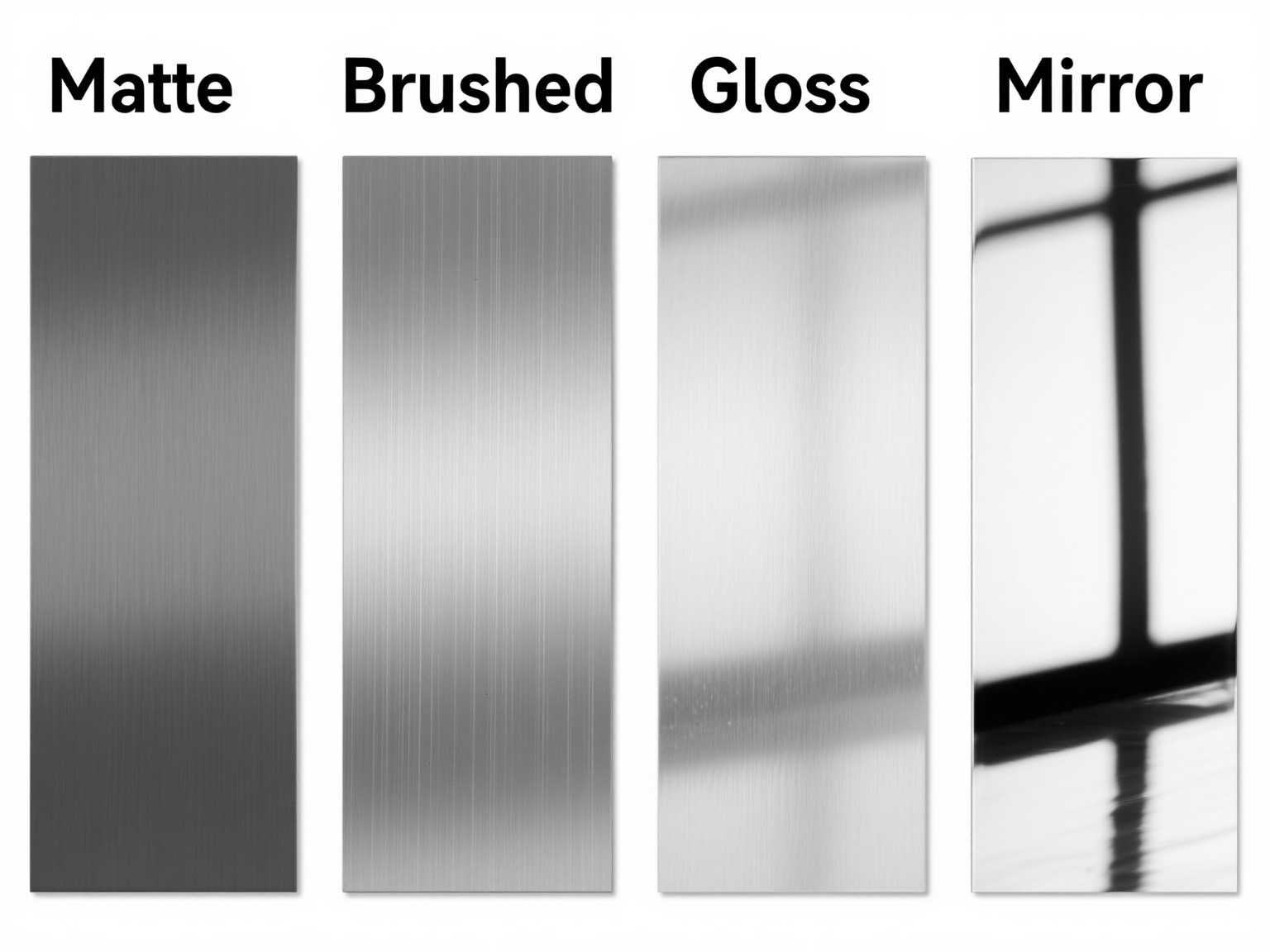
Finish Type
|
Description
|
|
Matte (mill) finish
|
Non-reflective and cost-effective, commonly used for sinks and workbenches
|
|
Brushed finish
|
Fine parallel lines with a soft sheen, often used for household appliances
|
|
Gloss finish
|
High-gloss surface, frequently seen in decorative parts
|
|
Mirror finish
|
Highly reflective, premium appearance similar to a mirror
|
- Materials & Tools
Household items
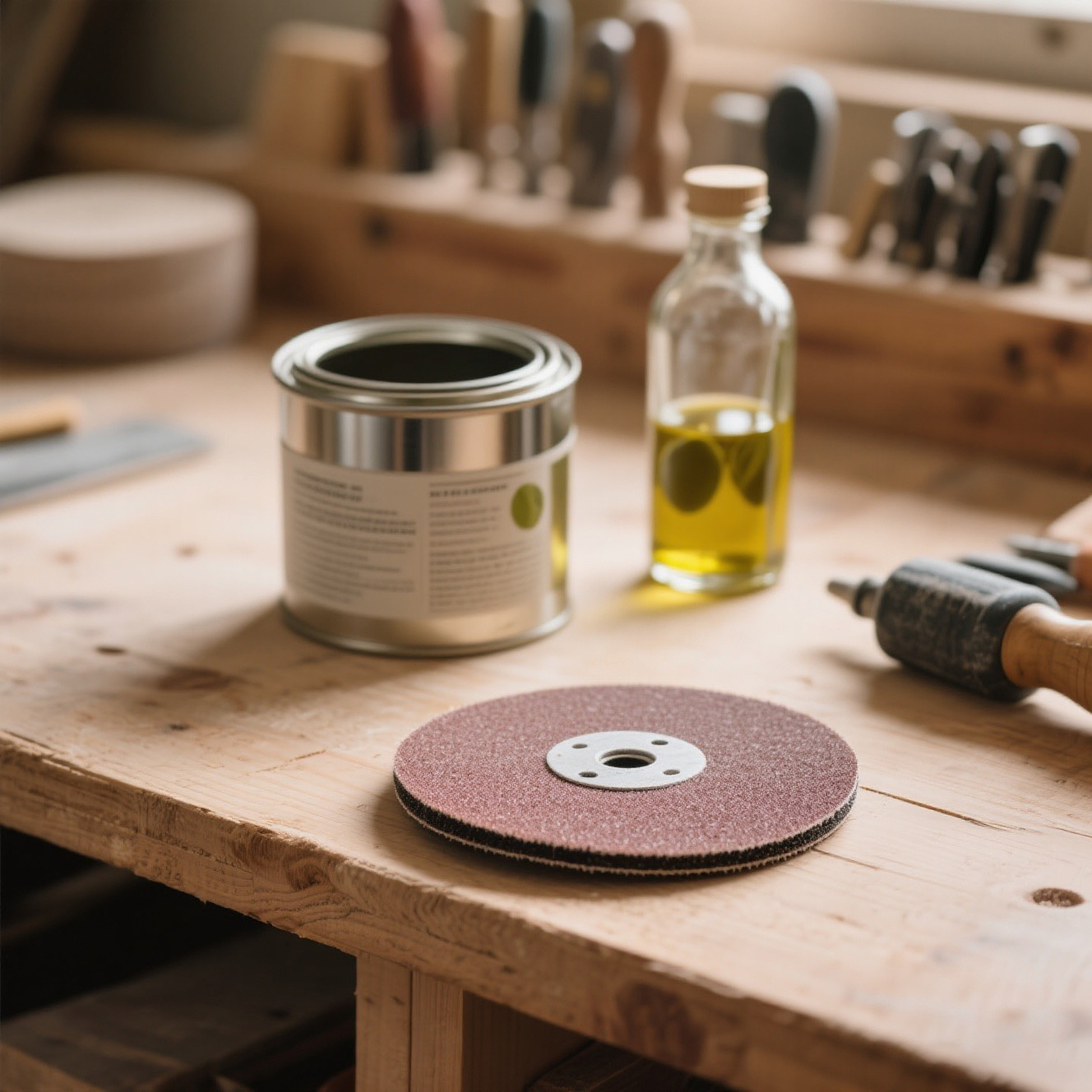
- Olive oil on microfiber cloth
- Flour for extra buff
- Petroleum jelly (Vaseline) hack
Abrasive tools
- Sandpaper progression:150 → 240 → 400 → 600 → 1200
- Wet/dry sanding
- Buffing with cloth wheel and rouge or compound
- Step-by-Step Procedures
A.Simple Home Polish
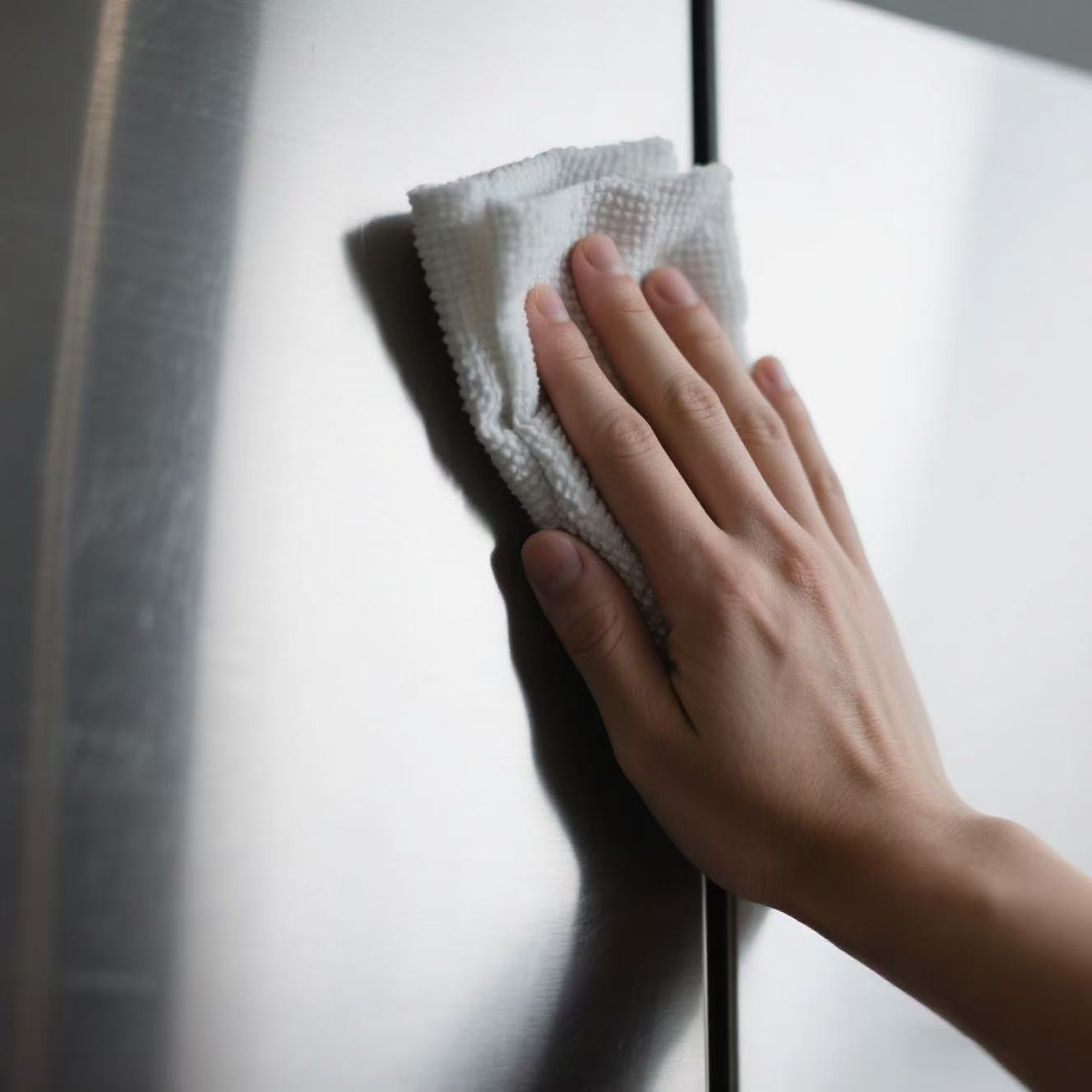
- Clean the surface with warm water and dish soap, then rinse and dry.
- Apply olive oil to a microfiber cloth and buff in small circular motions.
- Optional: sprinkle a small amount of flour and buff again to enhance shine.
- Alternatively, apply a thin layer of petroleum jelly (Vaseline) along the grain, then wipe dry.
B.Deep Buffing for Mirror Finish
- Clean and dry the surface thoroughly.
- Sand in sequence (150 → 240 → 400 → 600 → 1200, optional 2000 grit), changing direction 90° with each step.
- Use a polishing machine or cloth wheel with polishing compound in two stages:
- Cut motion: cross-grain polishing with medium pressure.
- Color motion: with-grain polishing with light pressure.
4. For a professional mirror finish, use an industrial belt polisher or electropolishing.
C. Maintenance & Streak Removal
- Avoid overly abrasive cleaners.
- For daily care, use mild dish soap followed by mineral oil polishing.
- Always polish in the direction of the grain.
- Tips & Cautions
- Always test first in an inconspicuous area.
- Follow the grain direction when polishing.
- Avoid applying excessive oil or polish.
- Match the method to your specific application.
- Wear gloves when handling chemicals or heavy-duty abrasives.
- Summary
- Quick shine: Olive oil or petroleum jelly with a polishing cloth.
- Deep mirror finish: Progressive sanding with a cloth wheel or electropolishing.
- Daily maintenance: Gentle cleaning followed by mineral oil polish.
If you need a customized polishing solution for stainless steel appliances, architectural elements, or industrial equipment, contact a professional for tailored product and process recommendations.

